Why We Built Acuity
Acuity · June 2026
In November 2018, a fund manager named James Cordier sat in front of a camera and recorded an apology video to his clients. His fund, OptionSellers.com, had been completely wiped out. Not down 30%. Not a bad quarter. Gone. His clients lost everything — and some owed money beyond what they'd invested.
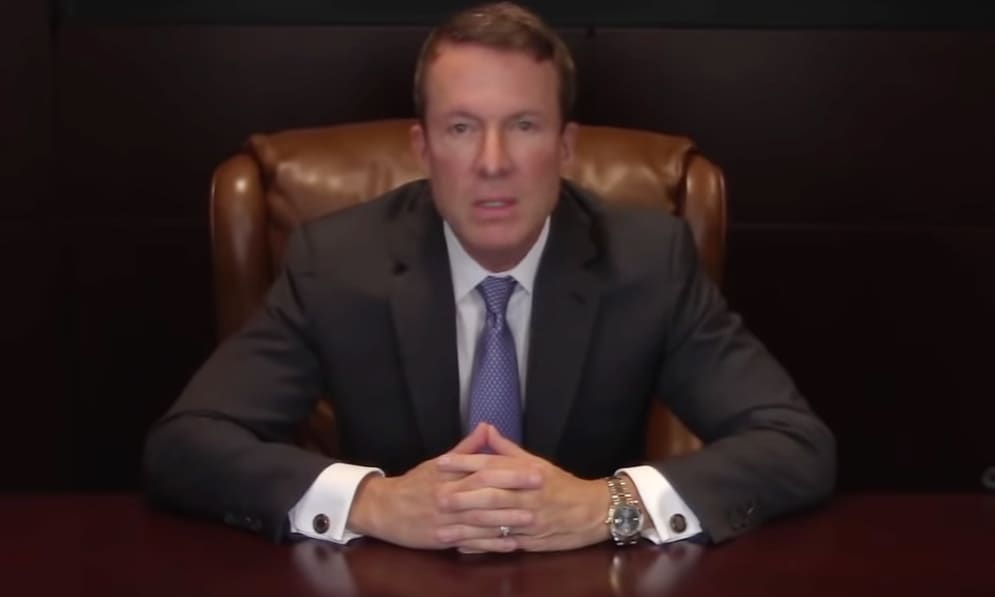
James Cordier
Lost all client money selling naked gas options
Cordier had been selling naked call options on natural gas. When prices spiked, the losses were unlimited. There was no hedge, no stop loss, no risk management. The positions were catastrophically one-sided. And his clients had no way of knowing that until it was too late.
The apology video went viral. Millions watched a grown man cry on camera while explaining that their retirement savings had evaporated. It became a case study in what happens when people trust someone with their money based on reputation, marketing, and past performance — without any way to verify the actual risk being taken.
This is not a rare story. It happens at every scale.
YouTube creators with millions of subscribers give stock picks to audiences who have no way to check their track record. Financial advisors underperform index funds for decades while collecting fees. Twitter accounts with huge followings delete their bad calls and screenshot their winners. Hedge fund managers take concentrated, undisclosed risks with other people's money.

Bill Hwang
Lost $20B+ in leveraged bets, convicted of fraud
The problem is the same everywhere: there is no universal, verified record of who is actually good at this.
Your brokerage tracks your trades, but that data stays locked in your account. Social media rewards confidence, not accuracy. The financial industry grades advisors on assets under management, not returns. Nobody is keeping score in a way that's public, honest, and impossible to fake.
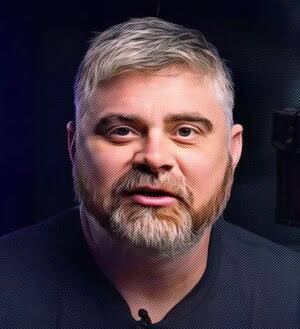
BitBoy Crypto
Promoted pump-and-dumps, fired from own company
That's what Acuity does.
Every prediction on Acuity is timestamped at entry. You pick a stock, set your direction, write your thesis, and seal it. The system records the price at the moment you commit. No backdating. No editing after the fact.
When you close a call, the outcome is graded automatically against the actual market. Your win rate, average return, and alpha versus the S&P 500 are calculated from real prices — not self-reported numbers.

Stefan Qin
Ran a crypto Ponzi scheme, sentenced to 7.5 years
Your Acuity Score starts at 800. Every call you make moves it. Wins push it up. Losses pull it down. The magnitude depends on your conviction, your timeframe, and whether you beat the market — not just whether the stock went up.
The score is public. The calls are public. The record is permanent.
We also grade people who aren't on the platform. Using SEC 13F filings, we reconstruct the quarterly trades of hedge fund managers and score them the same way. Warren Buffett, Cathie Wood, Michael Burry, Bill Ackman — they all get an Acuity Score based on their actual disclosed positions.
We do the same for public predictions from StockTwits, YouTube, and Twitter. If someone makes a call publicly, we track it.
The goal is simple: one number that tells you whether someone is worth listening to.
If James Cordier's clients had access to a verified, real-time record of his positions and risk exposure, the outcome might have been different. If the YouTube creators giving stock advice had public, auditable track records, their audiences could make informed decisions about who to trust.
We can't prevent people from taking bad risks. But we can make it impossible to hide a bad record.
That's why we built Acuity.